
Reusable coffee mugs have quietly become part of everyday life. Whether it's on the morning commute, on an office desk, or in a café, more people are choosing to bring their own mugs instead of using disposable cups. This shift isn't driven by one single reason. It's a mix of convenience, habit, design, and a growing awareness of sustainability.
Coffee is a daily ritual for millions of people. Because it's consumed so often, the waste created by disposable cups becomes very visible. Reusable mugs offer a simple solution. Once they became lighter, easier to clean, and more practical to carry, they stopped feeling like an inconvenience and started to feel like a natural choice.
The Rise of Coffee Grounds Mugs
Among different reusable mug materials, coffee grounds mugs have gained attention for a more specific reason. They turn waste into something useful. Instead of throwing away used coffee grounds, these materials are processed and combined with binding agents to create durable, reusable mugs. For many consumers, that story matters. It connects the product directly to coffee culture itself, rather than feeling like an abstract sustainability concept.
Leading Brands in the Coffee Grounds Market
Over the past few years, several well-known brands have helped bring coffee grounds mugs and coffee-waste-based products into the mainstream market.
Huskee
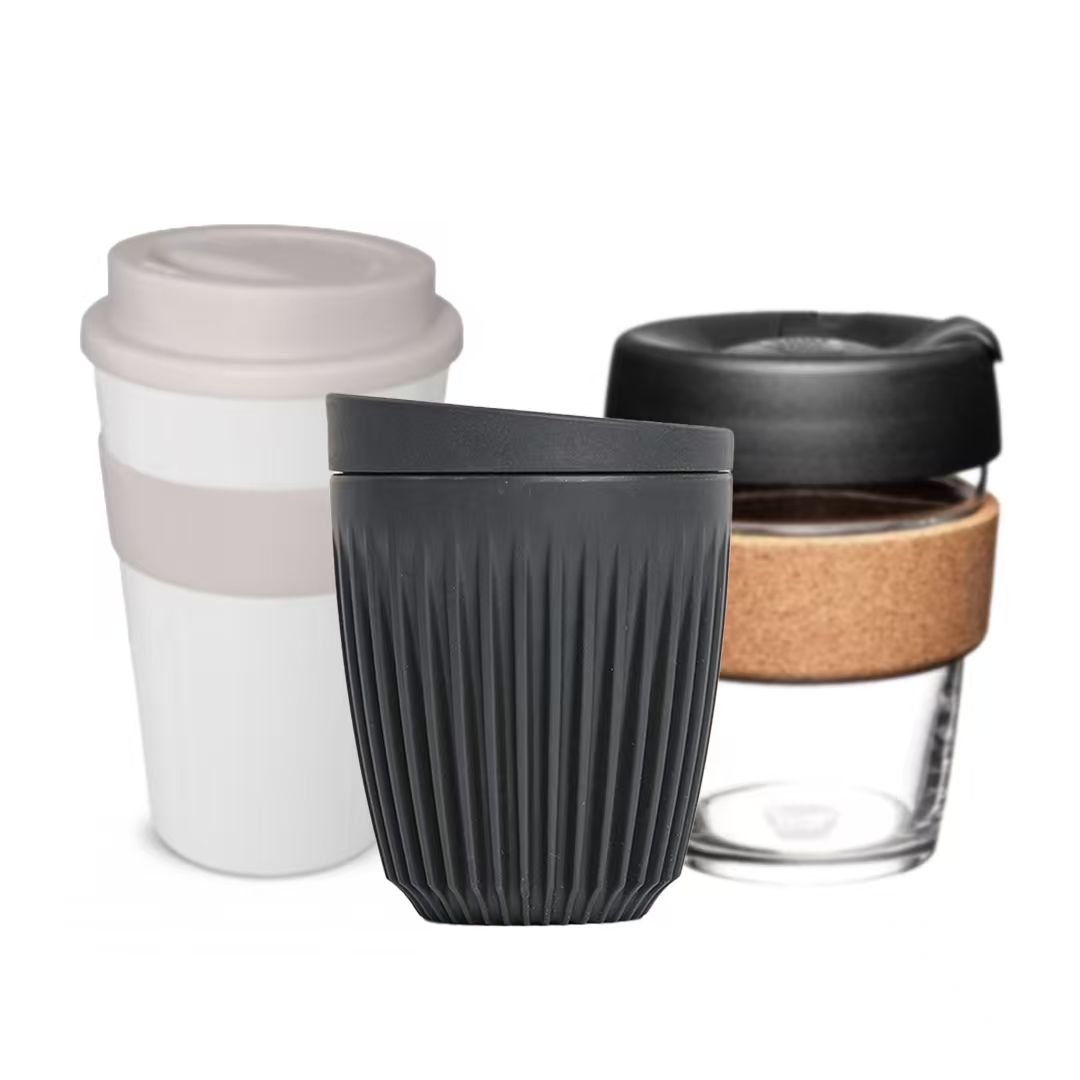
One of the most recognized names is Huskee. Huskee works closely with cafés and coffee roasters, focusing on durability, stackability, and systems designed for repeated professional use. Their success showed that reusable mugs could function at scale in real café environments, not just at home.
Kaffeeform
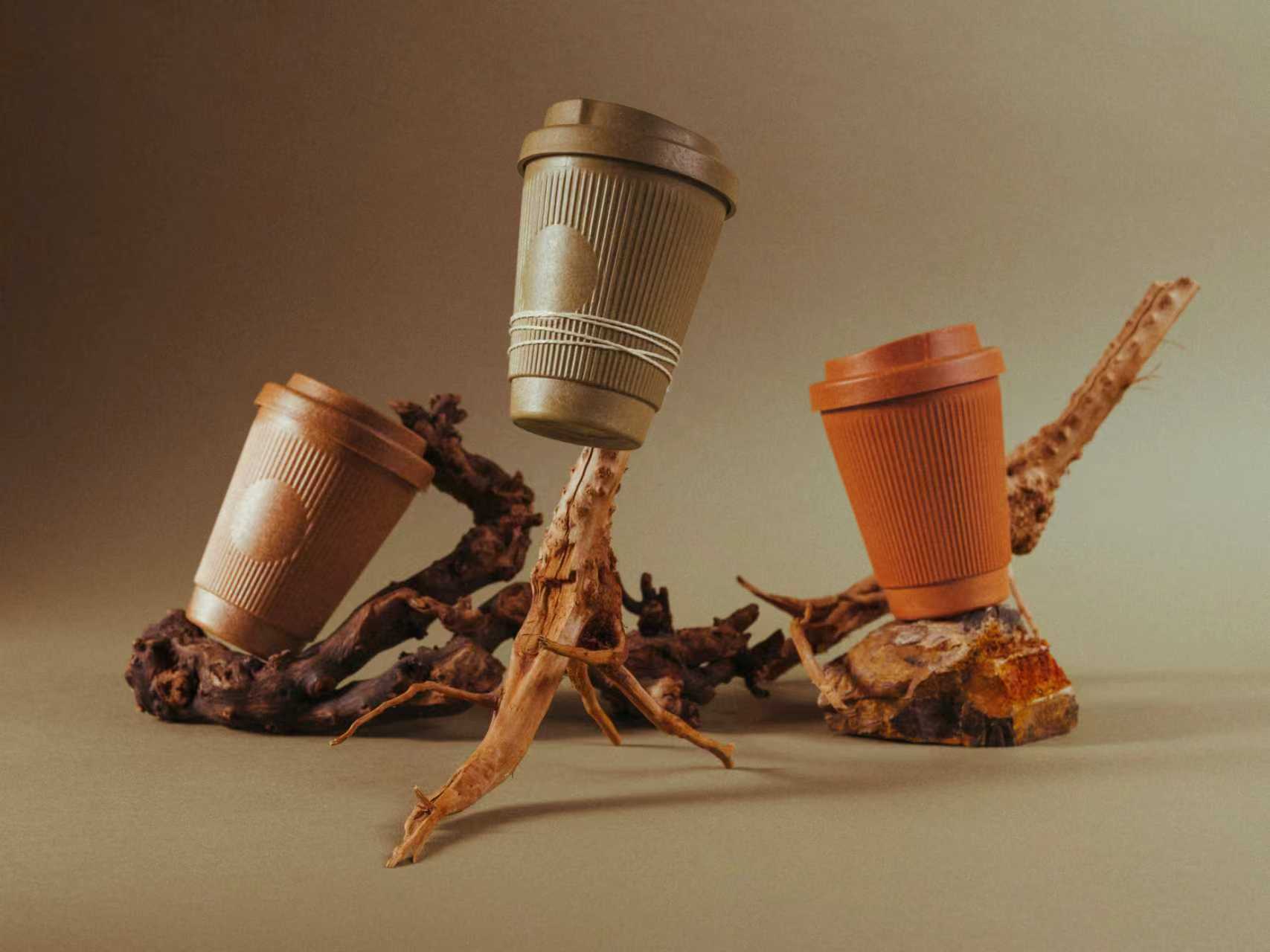
Another influential brand is Kaffeeform, which combines recycled coffee grounds with bio-based polymers. Kaffeeform's strength lies in its clean, minimalist design, proving that recycled materials can still feel refined and modern.
ReCoff
ReCoff focuses heavily on the idea of circularity. Their messaging is simple and easy to understand: coffee grounds are collected, processed, and turned into everyday products. This clear "from coffee to cup" narrative resonates strongly with environmentally conscious consumers.
Ecoffee Cup
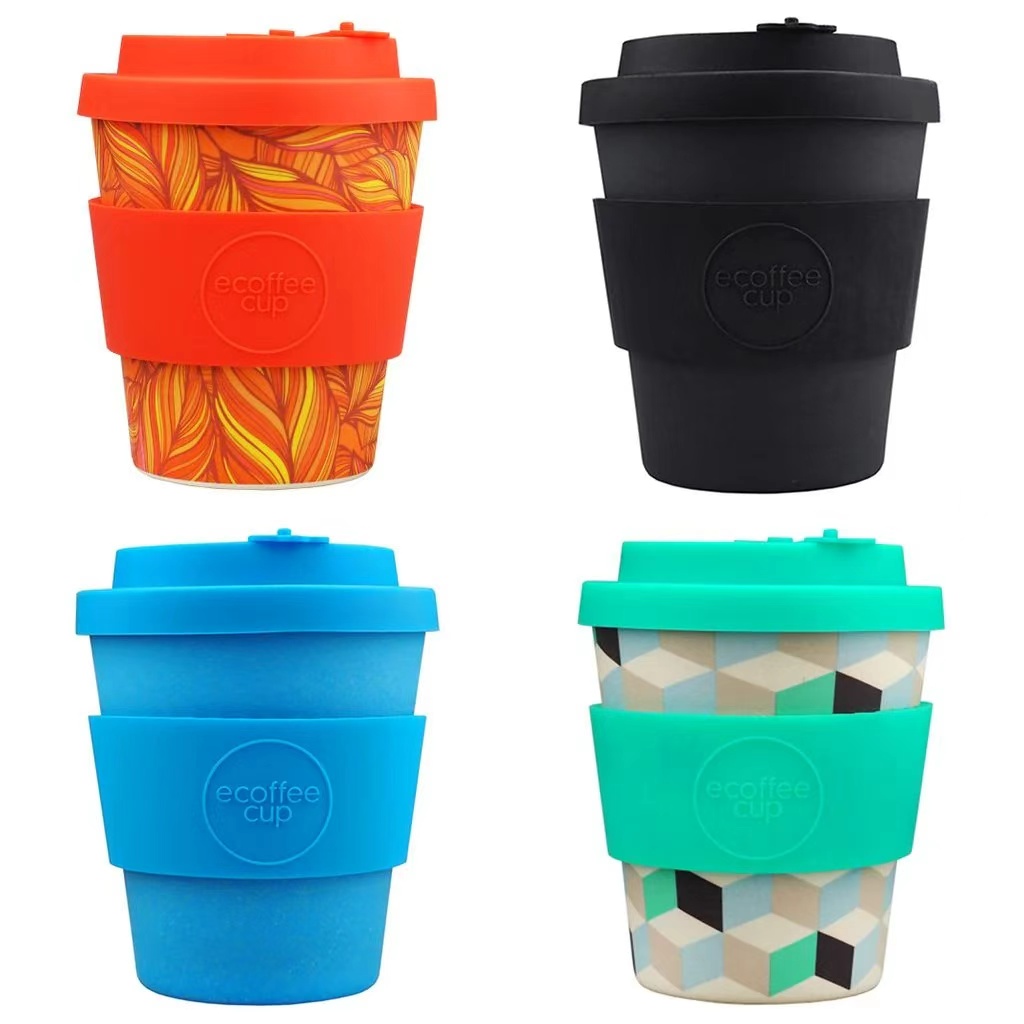
While not all products are made entirely from coffee grounds, Ecoffee Cup played an important role in shaping the market. By making reusable cups colorful, accessible, and widely available, the brand helped normalize the idea that reusable mugs could be both practical and expressive, paving the way for alternative materials like coffee grounds composites.
Circular&Co
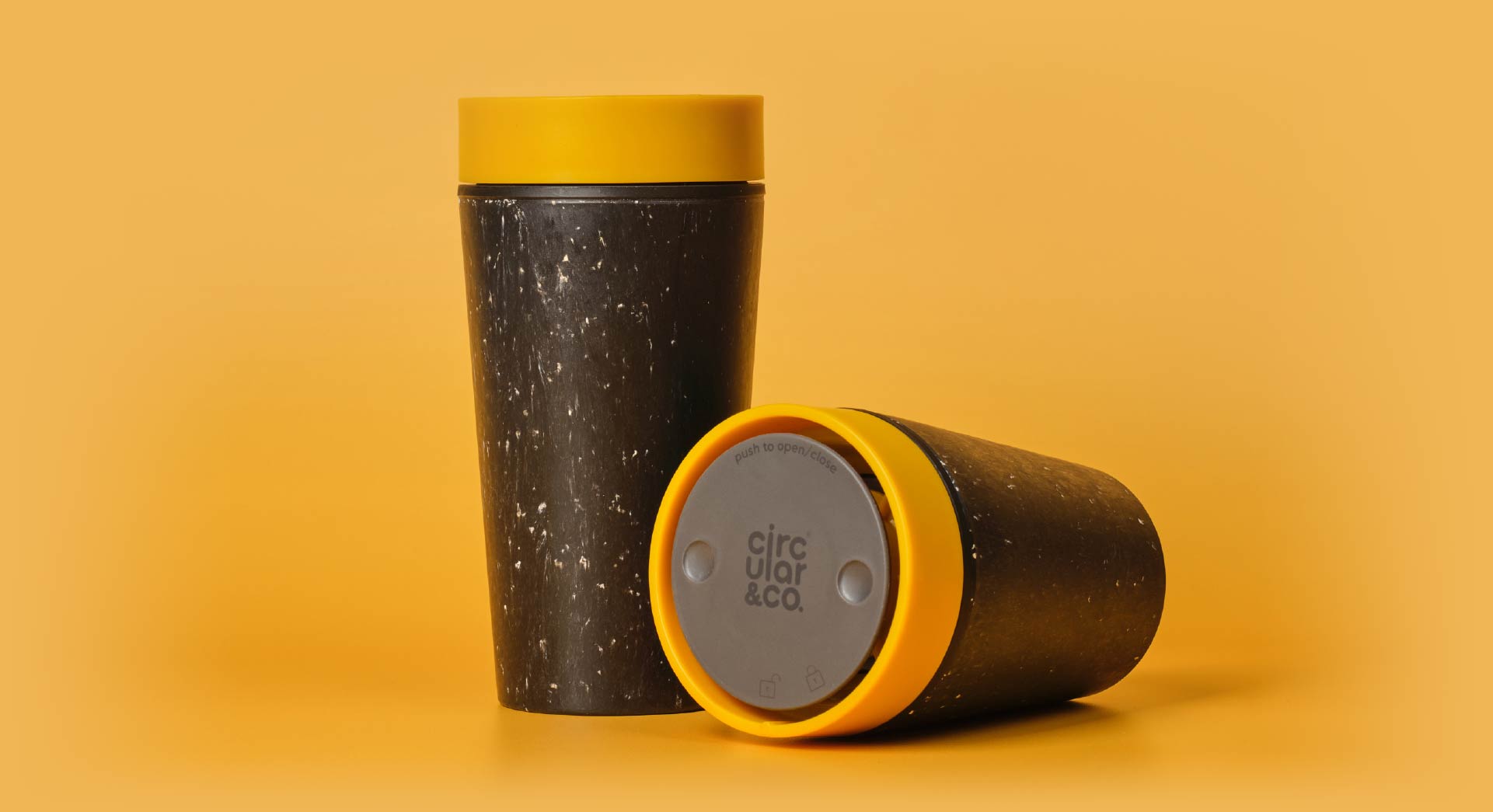
Another brand often mentioned in discussions around coffee waste and circular design is Circular&Co. Although their focus extends beyond coffee grounds alone, their emphasis on waste-derived materials and closed-loop thinking has helped educate the market and raise expectations around sustainable drinkware.
What all of these brands have in common is not just sustainability messaging, but usability. A reusable mug only works if people enjoy using it. Texture, weight, heat resistance, and comfort all matter. Coffee grounds mugs often stand out because they feel warm and natural in the hand, with a visual and tactile quality that fits modern lifestyles.
The Role of Customization
As reusable mugs become more common, customization plays a bigger role. Cafés, brands, and companies are no longer just buying mugs — they are creating products that represent their values. A custom coffee grounds mug can serve as merchandise, a promotional item, or a long-term brand touchpoint that stays in daily use.
Our Custom Solutions
We offer custom coffee grounds mug solutions designed for brands and businesses that care about both function and material story. From material selection to logo printing and bulk production, our focus is on consistent quality and practical design. A reusable mug should not only look good on a shelf, but work well in real life.
Reusable coffee mugs are popular because they fit modern habits. Coffee grounds mugs continue to grow because they add meaning to those habits. And as sustainability becomes part of everyday decision-making, products that combine usability, story, and responsibility are likely to stand out for years to come.
Back to Blog